PSFM Bangladesh
Screening and trade testing Bangladesh workers for a verified Malaysia demand.
Convert each employer role into an evidence-based, safe and repeatable assessment before interviews begin; a generic skilled-worker label is not a selection standard.
- English and Arabic recruitment website
- Only approved public contact details shown
- No visa, salary, job, or deployment guarantee
Announced
Review the full evidence chronologyLast verified: 2026-08-30
Malaysia Employer Desk: Workforce planning enquiries accepted. Recruitment activity remains subject to verified employer approvals and current official requirements.
Priority Recruitment Routes
Fast access to high-value employer demand pages.
Destination market pageMalaysia Employer Recruitment from Bangladesh
Employer-led recruitment of Bangladeshi workers for Malaysia across construction, manufacturing, services, agriculture and plantation workforce planning.
Employer guideMalaysia–Bangladesh worker recruitment status: Announced.Dated evidence and a clear status label for Malaysia recruitment of Bangladeshi workers, reviewed against official implementing sources.
Employer guideMalaysia employer manpower demand checklist.Ready-to-use checklist for Malaysian employers requesting Bangladeshi workers, covering company, roles, pay, welfare, interview and dates.
Employer guideEthical Malaysia recruitment and worker protection.Employer and candidate controls for transparent costs, contracts, passports, wages, welfare, grievance handling and anti-fraud protection.
Employer guideVerify salary, overtime and contract terms before Malaysia worker selection.Employer guide to verifying written salary, hours, overtime, deductions, benefits, accommodation and contract consistency before recruiting Bangladesh workers.
Do not share money or sensitive documents with unverified contacts.
Requests are reviewed against verified employer demand and official process requirements.
Operational Proof
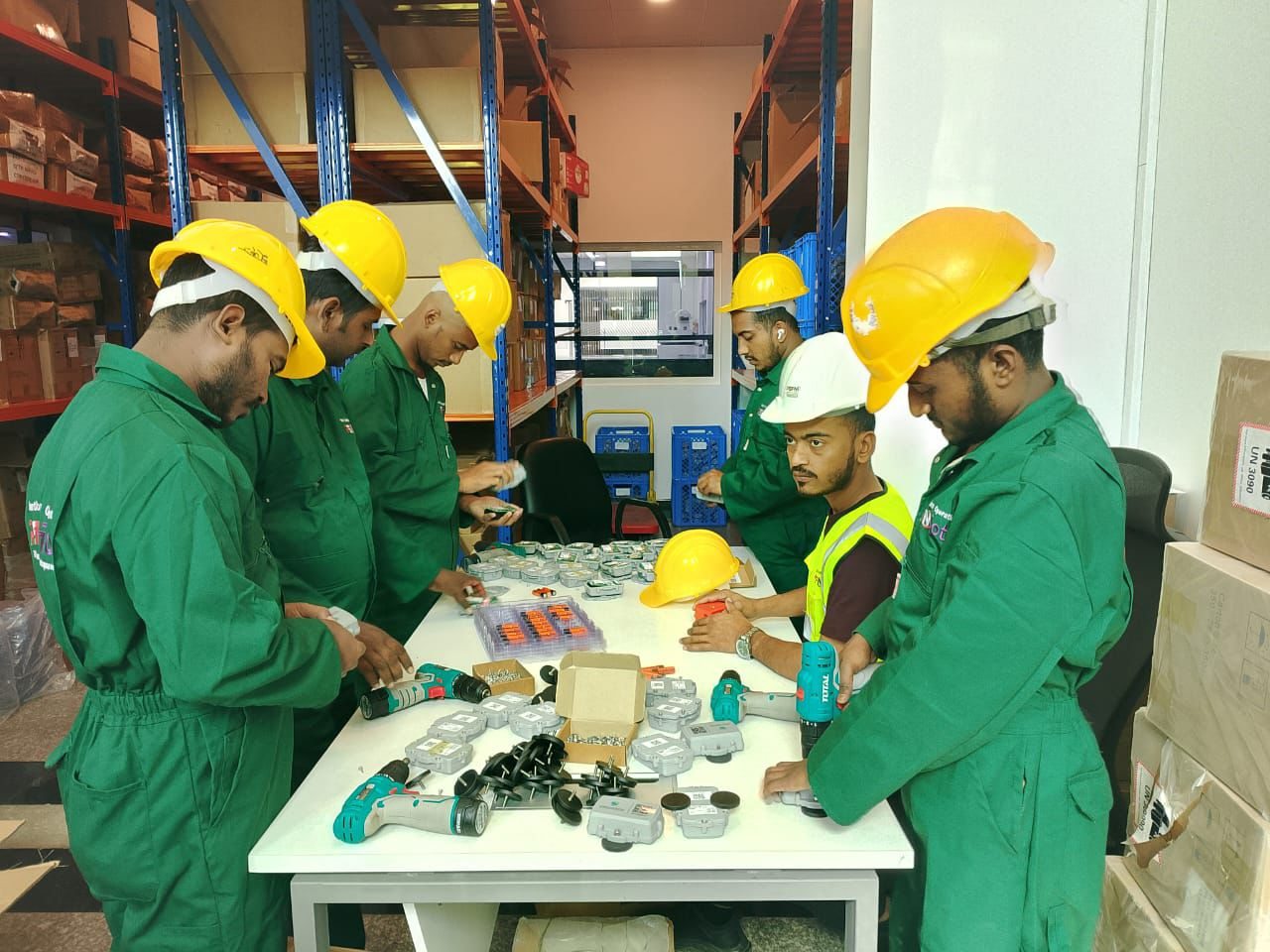
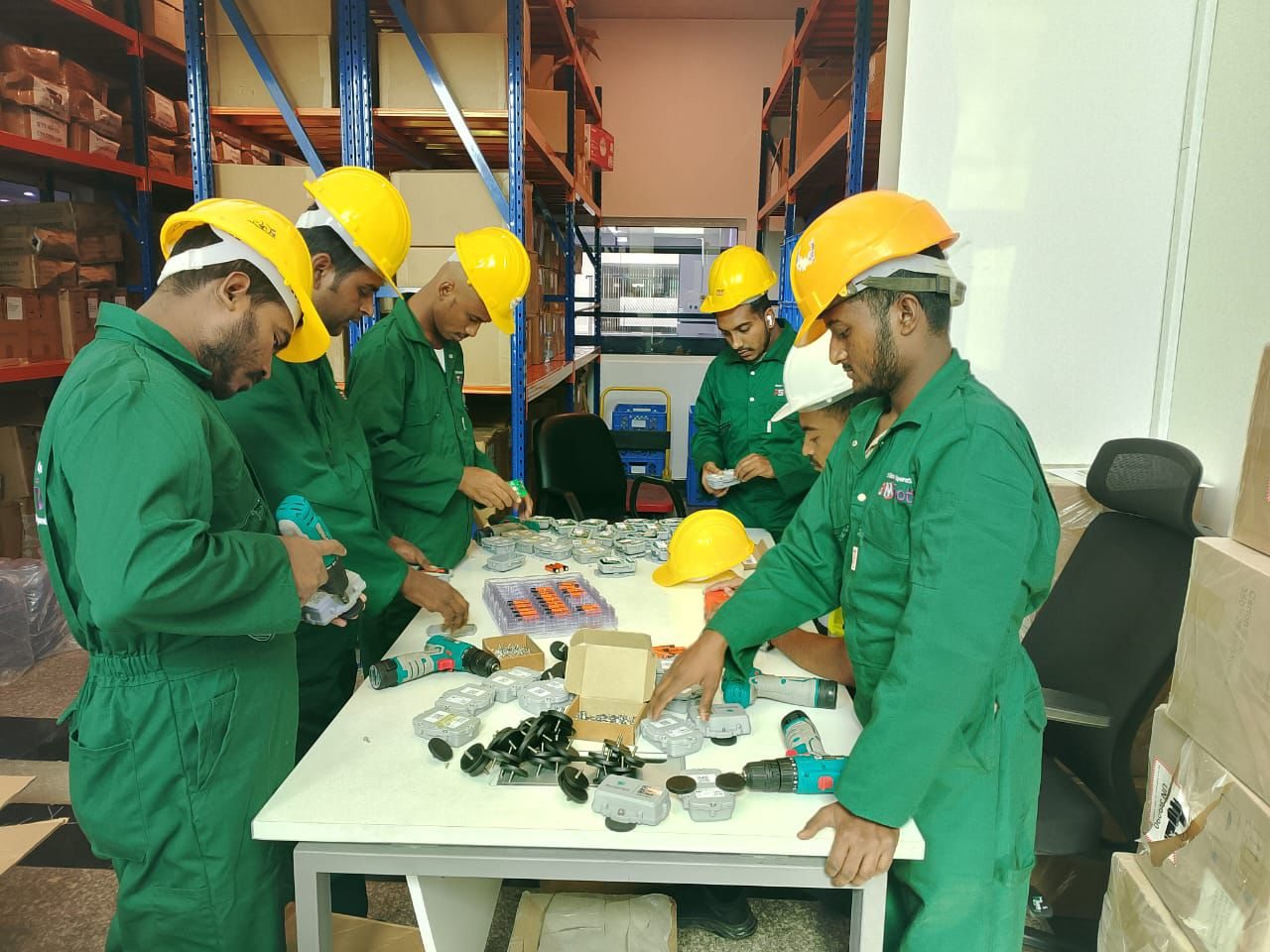
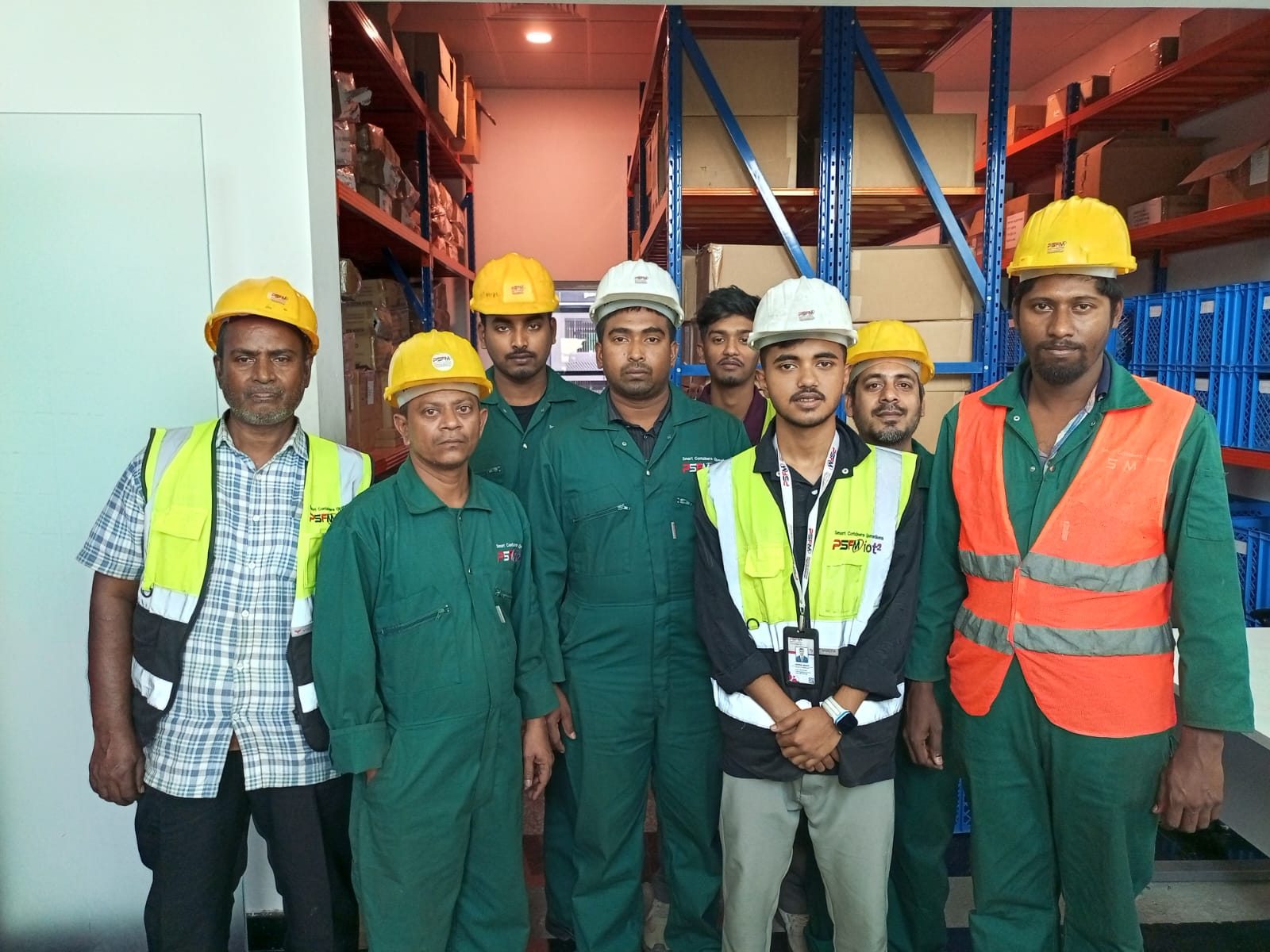
Real PSFM presence supporting recruitment confidence.
Selected PSFM field, office, and coordination visuals reinforce the route without making unsupported job, visa, salary, or deployment promises.
Lock the approved role profile first
The employer should define the legal employing entity, sector or verified subsector, worksite, job title, daily tasks, tools, materials, supervision, shift, physical exposure and mandatory experience. The assessment must test that approved role—not a broader occupation that could later become an unapproved reassignment.
Build an evidence ladder
Start with identity and passport consistency, then review CV chronology, employer references, training records, certificates and task-specific examples. Mark evidence as verified, plausible but unverified, or inconsistent. A certificate alone should not override a failed task explanation, and missing papers should not automatically erase demonstrable experience where the employer allows an assessment route.
Assessment design by decision purpose
Use the least risky method that can answer the employer's actual decision. Interview questions establish task knowledge; visual or measurement exercises test judgement; controlled work samples test sequence and quality; live equipment operation is appropriate only with a competent assessor, safe environment and explicit authorisation.
| Decision | Suitable evidence | Safety control | Recorded output |
|---|---|---|---|
| Experience match | Structured task-history interview and references | No hazardous demonstration | Evidence grade and unresolved gap |
| Technical understanding | Drawing, sample, defect or measurement exercise | De-energised or simulated setup | Question set, answer and score |
| Work quality | Bounded practical sample | Approved tools, PPE and competent supervision | Dimensions, tolerance, finish and pass rule |
| Safe behaviour | Hazard identification and stop-work scenario | Candidate may stop an unsafe instruction | Observed controls and escalation response |
Approve tools, assessors and scoring
Before invitations are issued, the employer should approve the test station, materials, time limit, mandatory safety points, scoring weights, pass mark, assessor competence and who makes the final decision. Record reasonable adjustments and interpreter use. Changing the pass rule after seeing candidates undermines fairness and creates an unreliable shortlist.
Protect candidates during practical tests
Provide a task briefing, PPE, guarded tools, isolation where required, supervision, first-aid access and the right to stop. Do not ask an unverified candidate to work at height, energise equipment, operate unfamiliar machinery, handle live loads or complete productive client work. A recruitment test must not become unpaid labour.
Keep role, result and employer decision connected
Each result should identify the candidate, exact role, test version, assessor, date, score, safety observations, outcome and any condition such as supervised entry grade. Reserve candidates require their own evidence. Selection, waiting list and rejection should remain distinct statuses, and no result is a visa, quota or deployment approval.
Remote and high-volume assessment controls
For video interviews, confirm identity, camera coverage, interpreter role and document handling; avoid pretending that a remote demonstration proves live-equipment competence. For batches, use calibrated stations and sample-review scores between assessors. Throughput targets must not shorten safety briefings or replace role-specific checks with a generic interview.
Selection handoff and change control
Issue the employer-approved outcome against the same job schedule used for the demand and proposed contract. If duties, worksite, salary, shift, accommodation or assessment requirement changes, pause the handoff, record employer approval and explain the revision to the candidate before consent. PSFM coordinates evidence and decisions but does not guarantee selection or any authority outcome.
Employer Checklist
Prepare the manpower demand before PSFM starts recruitment coordination.
Use this checklist to prepare employer demand for Malaysia, Saudi Arabia, GCC and verified international route discussions.
- Destination country and city, company contact, project or operation type, and worksite
- Worker category, job titles, headcount, role duties, experience level and trade-test needs
- Pay range, benefits, accommodation, food, transport, medical, insurance and contract duration
- Interview method, selection authority, target timeline and readiness milestones
- Compliance note: no job, visa, salary, travel, or deployment guarantee is promised
Sources & verification
Evidence used for this page
Published 2026-08-30 · Last verified 2026-08-30 · Fact-checker PSFM Bangladesh Editorial Desk
Verified: 2026-08-30
Open original sourceVerified: 2026-08-30
Open original sourceVerified: 2026-08-30
Open original sourceEmployer Questions
Common recruitment questions
Does this guide confirm an active Bangladesh intake route?
No. The public status remains Announced until an implementing authority publishes an active route, effective date and actionable process. General Malaysian employer rules and individual approvals do not by themselves prove a market-wide operational intake.
Can PSFM guarantee employer approval, quota, VDR, visa or worker arrival?
No. Those decisions are controlled by the relevant Malaysian and Bangladesh authorities, the employer's eligibility, the candidate's eligibility and the official process in force.
What should an employer record during verification?
Record the source URL, publishing authority, document date, effective date, company identity, sector or subsector, worksite, named responsible person and the next review date. A screenshot or forwarded message is not a substitute for the original source.
Fast Response